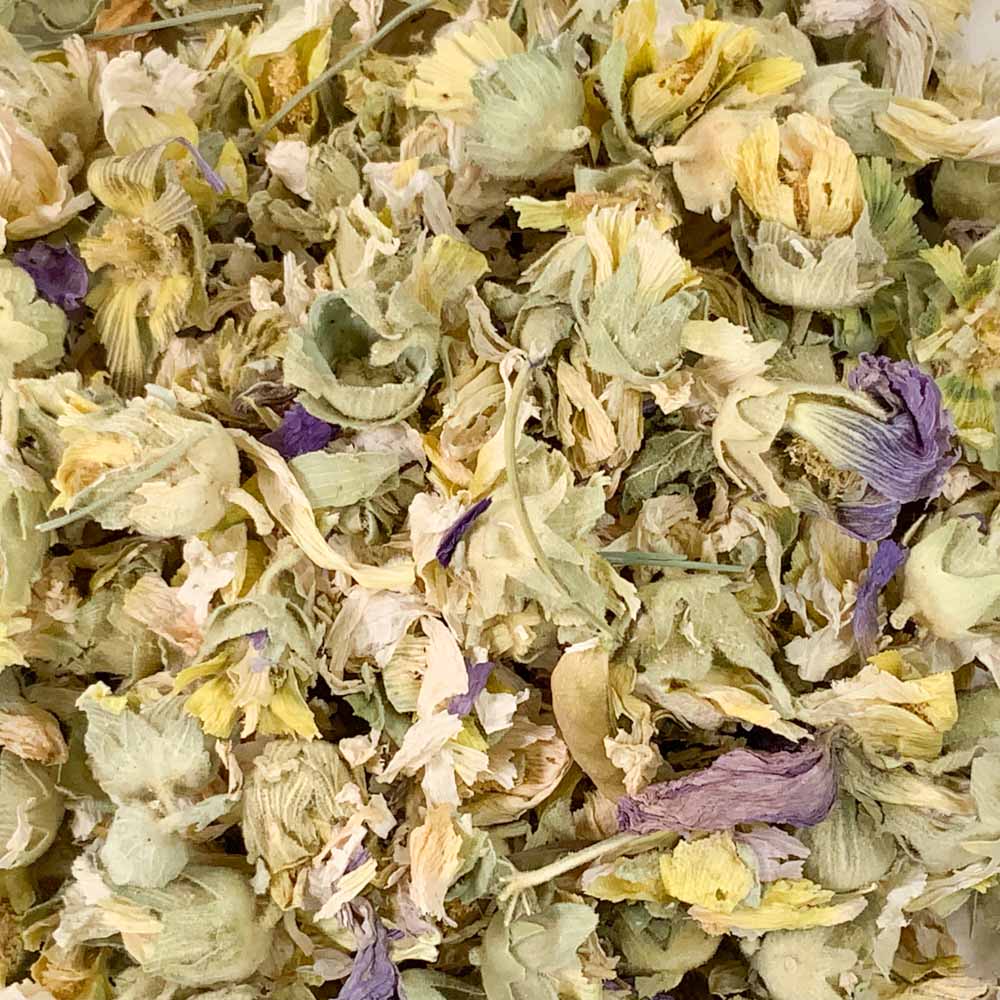
Thyme a Powerful Medicinal Herb for Health and Wellness
Thyme (Thymus spp.) is a member of the mint family (Lamiaceae) with over 450 known species worldwide, about 14 of which are native to Iran. This versatile herb is valued not only for its distinct aroma and culinary uses but also for its remarkable medicinal properties. For centuries, thyme has been a trusted natural remedy for various health concerns, ranging from respiratory conditions to improving skin and hair health.
In Iran, aside from the well-known common thyme (Thymus vulgaris), there is another member of the Lamiaceae family called Shirazi Avishan (Zataria multiflora), which also boasts potent medicinal qualities.
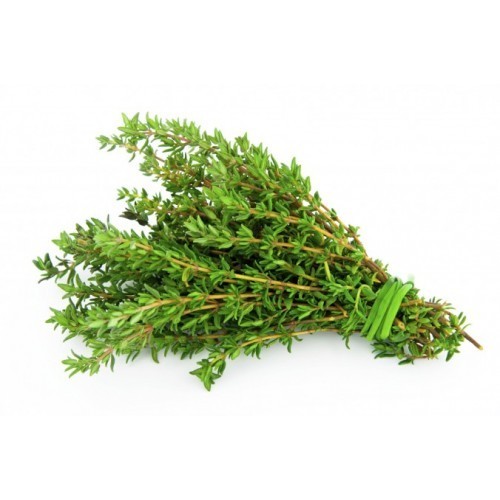
Key Medicinal and Health Benefits of Thyme
1. Relief for Respiratory Disorders
Thyme is rich in natural antiseptic and antibiotic compounds such as thymol and carvacrol, making it highly effective for respiratory problems. It helps:
-
Soothe coughs and bronchitis
-
Relieve sore throats and laryngitis
-
Ease sinus infections and headaches caused by colds
Tip: For respiratory relief, drink brewed thyme tea with a spoon of honey to enhance its soothing and antibacterial effects. Inhaling thyme steam can also help open nasal passages.
2. Natural Blood Pressure Regulation
Thanks to its high potassium content, thyme extract can help:
-
Relax blood vessels
-
Lower high blood pressure
-
Stabilize heart rate
Practical Use: Drinking thyme tea regularly, under the guidance of a healthcare provider, may complement a healthy diet for cardiovascular support.
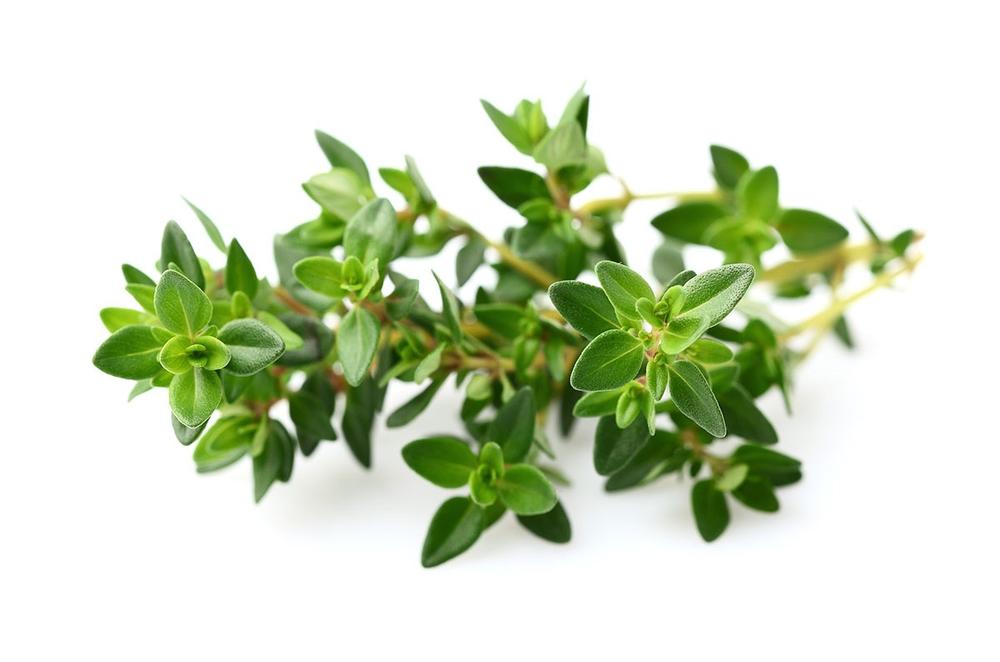
3. Promoting Oral Health
The antibacterial action of this plant, makes it a natural solution for:
-
Eliminating bad breath
-
Reducing plaque buildup
-
Fighting gum infections
DIY Mouthwash: Add a few drops of thyme essential oil to warm water, swish for 30 seconds, and spit.
4. Anti-Cancer Potential
Research shows thyme compounds may help:
-
Protect against colon cancer
-
Promote the death of certain breast cancer cells
While not a replacement for medical treatment, regular inclusion of thyme in the diet can contribute to overall cancer prevention strategies.
5. Boosting the Immune System
With its powerful antioxidants, thyme helps:
-
Fight infections and harmful bacteria
-
Slow down cell aging
-
Increase omega-3 fatty acids in the brain, supporting cognitive health
6. Diuretic and Detoxifying Effects
Thyme encourages the elimination of:
-
Excess salts
-
Retained water
-
Toxins from the body
This makes it beneficial for individuals with chronic kidney conditions or mild water retention, though use should be moderated.
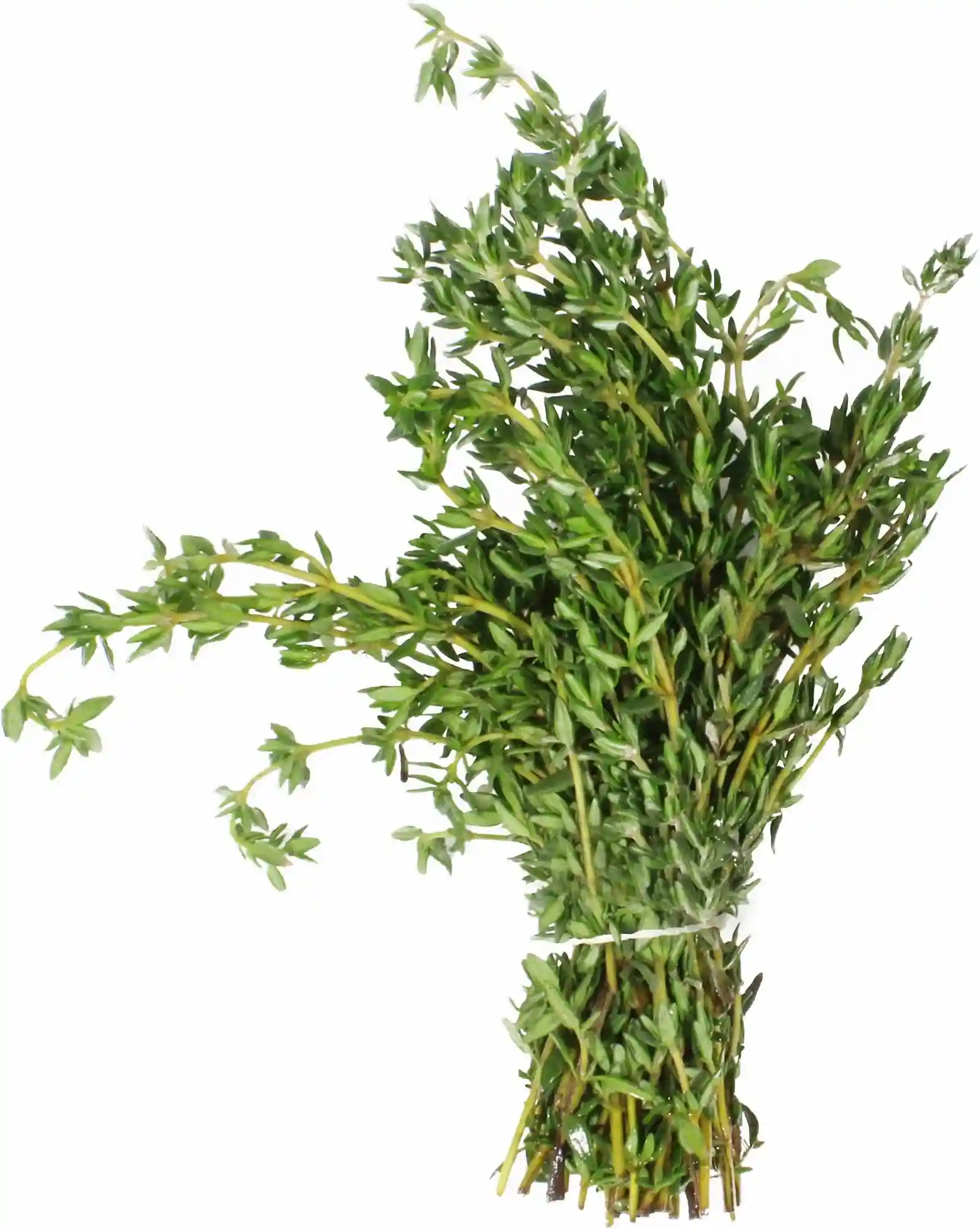
7. Preventing and Treating Anemia
This plant is a rich source of iron, essential for:
-
Producing healthy red blood cells
-
Preventing fatigue and weakness
-
Reducing susceptibility to infections
Dietary Note: Just 20% of your daily iron needs can be met with a moderate serving of thyme.
8. Supporting Bone Health
Loaded with vitamin K, calcium, manganese, and iron, thyme supports:
-
Bone strength and density
-
Prevention of osteoporosis
-
Healthy growth and repair
Common Ways to Use Thyme
1. Thyme Extract
-
Can be taken as a supplement or tincture.
-
Often used in natural medicine for hypertension, infections, and digestive issues.
2. Herbal Tea
-
Brew 1 teaspoon of dried thyme in hot water for 5–10 minutes.
-
Helps with coughs, sore throat, headaches, and general immune support.
3. Essential Oil
-
Used in aromatherapy for respiratory relief.
-
Diluted and applied topically for skin infections or muscle pain.
4. Culinary Uses
-
Adds flavor to meats, soups, salads, and stews.
-
Works as a natural preservative due to its antimicrobial properties.

Safety and Precautions
-
Avoid excessive consumption as it can lead to albuminuria (presence of protein in urine).
-
Pregnant women should avoid thyme in medicinal amounts due to its potential to induce uterine contractions.
-
People with known allergies to mint family plants should use thyme cautiously.
Thyme is more than just a kitchen spice, it’s a natural powerhouse for respiratory health, immune support, and overall well-being. However, like any medicinal herb, it should be used with awareness of its potency and possible side effects. For best results, integrate thyme into your diet or wellness routine under the guidance of a healthcare or herbal medicine specialist.