Piarom Date Palm | Tissue Culture plants,
Offshoots, Cultivation & Commercial Value
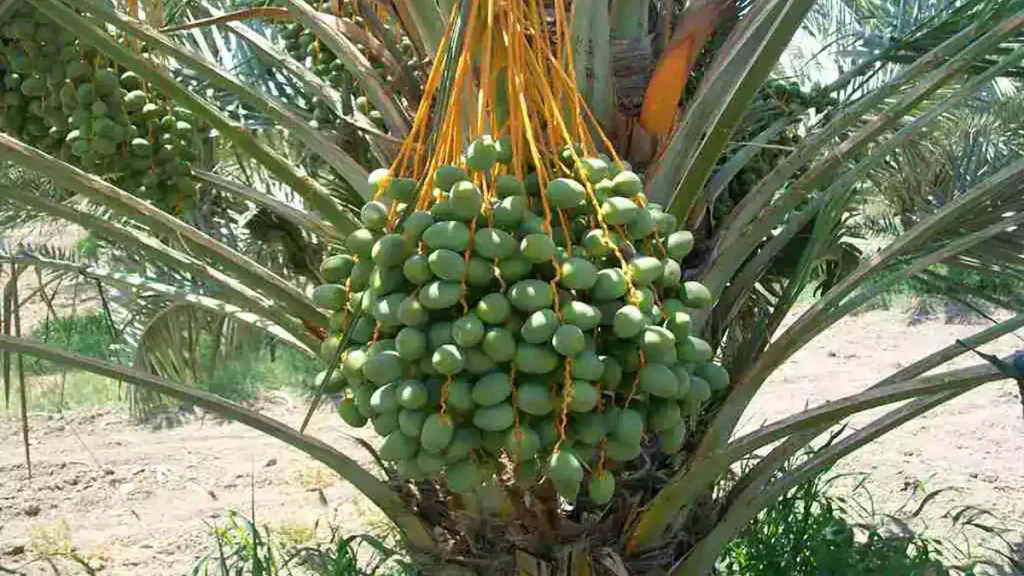
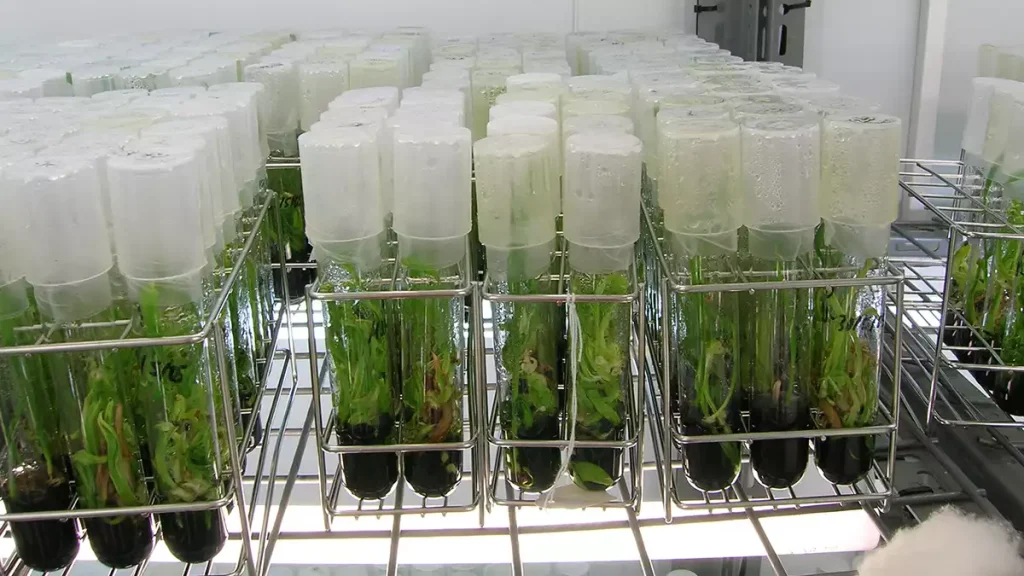
Piarom date palm (Phoenix dactylifera L.) is widely regarded as one of the most precious and premium date varieties produced in Iran. Often dubbed the “Black Gold of Iranian Dates” due to its unique characteristics, Piarom enjoys exceptional popularity in both domestic and international markets. Piarom offshoots and tissue culture seedlings are the primary propagation inputs that drive the production of this valuable fruit.

Why Piarom Dates?
Thanks to its distinct appearance, rich flavor, and high nutritional value, Piarom holds a special place among date varieties. With a moisture content of around 15%, it is officially classified as a semi-dry date.
Its key features include:
- Appearance and Size: Known as the national date of Iran, Piarom features an elongated, oval shape with a medium to large size. Its thin, dark brown skin adheres smoothly to the flesh, giving it an attractive appearance.
- Flavor and Texture: It has a mild, pleasant sweetness and a semi-dry texture that enhances its shelf life. Unlike very dry dates, Piarom has a softer, more delicate bite that makes it much easier to chew.
- High Shelf Life: Because of its low moisture content, this variety can be stored for longer periods compared to soft dates without losing its quality, making it a prime candidate for export.
Nutritional Value
Piarom dates are a rich source of essential nutrients, making them a frequently recommended addition to daily diets. Some of their key nutritional properties include:
- Calories and Energy: Packed with complex carbohydrates, they provide a sustained source of energy for the body.
- Vitamins and Minerals: Piarom contains B-complex vitamins (such as B1, B2, and B3) alongside vital minerals like potassium, magnesium, and iron.
- Dietary Fiber: The fiber content supports healthy digestion and assists in blood sugar regulation.
- Antioxidants: Antioxidant compounds help prevent chronic conditions, including heart disease and diabetes.

Ideal Growing Conditions for Piarom Dates
This Iranian date variety thrives in regions where average relative humidity does not exceed 50%. Hajjiabad County in Hormozgan Province is essentially considered the cradle of Piarom, offering the specific climatic conditions required for its cultivation.
- Hot and Arid Climate: Piarom requires high temperatures and low humidity, which are naturally abundant in the southern arid regions of Iran.
- Fertile Soil: Well-drained sandy soils rich in adequate nutrients ensure optimal growth for the palms.
- Water Resources: Cultivation heavily relies on freshwater sources and modern irrigation systems, such as drip irrigation.
Besides Hajjiabad in Hormozgan, several other regions in Iran are well-suited for Piarom cultivation:
- Fars Province: Lamerd, Kazerun, Qir va Karzin, Jahrom, Gerash, Mohr, Khonj, Farashband, Darab.
- Khuzestan Province: Behbahan, Dezful, Mollasani.
- Kerman Province: Shahdad, Bam, Andouhjerd, Arzuiyeh, Rigan.
- Southern Kerman: Jiroft, Kahnuj, Anbarabad, Rudbar-e Jonub, Qaleh Ganj, Faryab, Manojan.
- Sistan and Baluchestan: Iranshahr, Zahedan, Mirjaveh, Fanuj.
- Bushehr Province: Jam.
- Kermanshah Province: Qasr-e Shirin.
Economic Importance
As a strategic agricultural commodity, Piarom dates play a significant role in both local and national economies. This importance stems largely from the fact that Piarom is an exclusively Iranian variety that is not commercially cultivated in other major date-producing nations.
- Export Potential: Due to its high quality, demand is robust across global markets, including Europe, Asia, and Arab countries.
- Job Creation: Cultivation and processing generate substantial employment opportunities for residents in producing regions.
- Value Addition: Establishing modern processing and packaging units can unlock higher added value and contribute to the sustainable development of these agricultural zones.

Production Challenges
Despite its numerous advantages, the production and export of Piarom face several hurdles:
-
Limited Water Resources:
Water scarcity and inefficient water management pose major obstacles to date production in Iran. Transitioning to smart, modern irrigation methods is essential. Furthermore, planting Piarom offshoots or certified tissue culture seedlings will yield little improvement in quantity or quality without proper water resource management.
-
Pests and Diseases:
Infestations can cause severe crop damage, making Integrated Pest Management (IPM) and biological control methods crucial strategies.
-
The Medjool Substitution Trend:
One of the most notable challenges for Piarom growers has been the aggressive marketing of Medjool dates. For years, lured by high global prices for Medjool, farmers have been encouraged to replace Piarom with Medjool palms. Many orchards with climates ideally suited for Piarom are now growing Medjool. Interestingly, Iranian Medjool often struggles to compete in quality and market conditions with production from countries like Morocco, Egypt, and Saudi Arabia. Conversely, Piarom—which is uniquely tied to Iran on the global stage—offers a much stronger and more defensible export market for Iranian producers and traders.
-
Sanctions and Logistics:
International banking sanctions and shipping bottlenecks have dampened buyers’ willingness to source from Iran. While commodities like Barhi or Medjool are grown globally and easily exported by competitors, Iranian specialty dates face logistical friction. However, the story is different for Piarom (along with Mazafati). Because top-tier Piarom is exclusively grown in Iran, international buyers are compelled to navigate these hurdles to secure it a dynamic similar to certain specialty botanical products like Persian wild orchid tubers (salep).
Piarom: A Symbol of Iranian Agricultural Potential
Piarom dates are far more than a staple food source; they represent a strategic economic asset. Through targeted investments in cultivation, processing, and export infrastructure, this crop can easily become one of the nation’s primary revenue streams. Embracing modern agritech and smart marketing will pave the way for long-term success, cementing Piarom’s prestigious status in the global agricultural landscape. It stands as a true testament to Iran’s agricultural prowess in producing high-quality, globally competitive specialty crops.