Callus Culture in Plant Biotechnology: Methods, Applications, and Importance
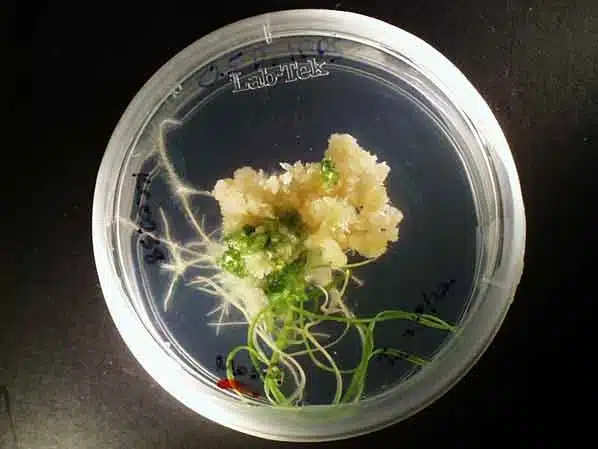
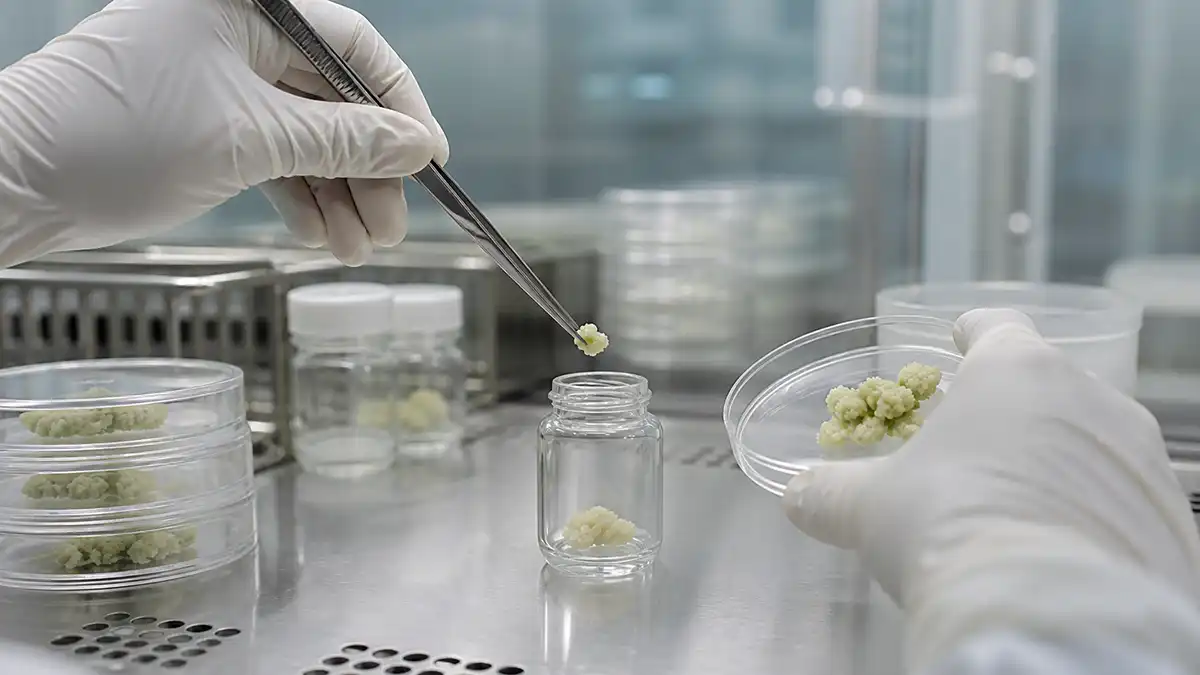
Callus culture is one of the most important techniques in plant tissue culture and modern plant biotechnology. It refers to the in vitro cultivation of undifferentiated, actively dividing plant cells that form an unorganized mass called callus. This callus can be induced from various plant explants such as leaves, stems, roots, embryos, or other tissues under controlled sterile conditions.
Because of its versatility, callus culture plays a central role in micropropagation, somatic embryogenesis, genetic transformation, and secondary metabolite production. It is widely used in both research and commercial plant production systems.
What Is Callus Culture?
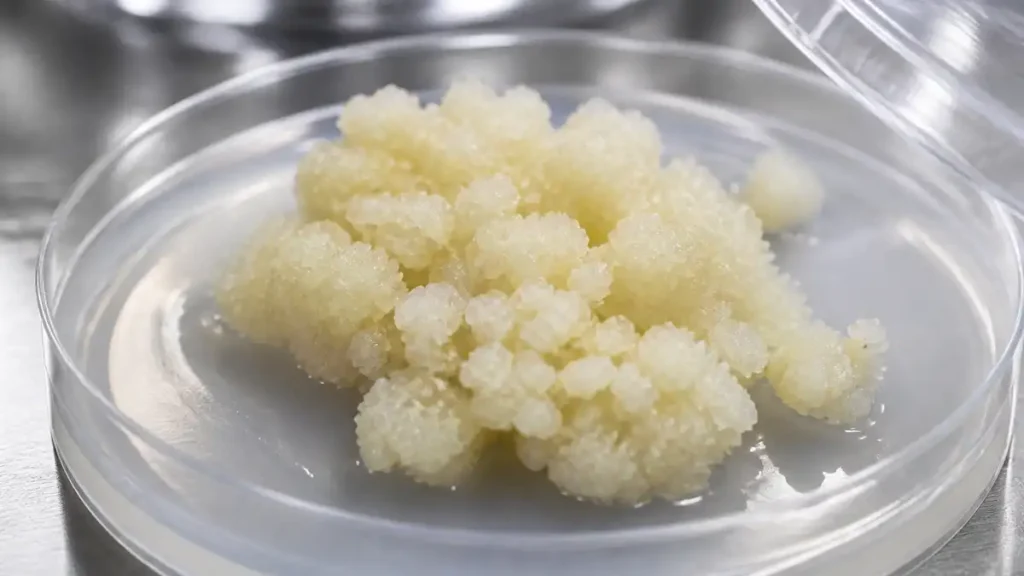
Callus culture is the laboratory based growth of plant cells that have lost their normal specialized structure and function. When a plant tissue is placed on a suitable nutrient medium containing the right balance of plant growth regulators, the cells begin to divide rapidly and form a mass of unorganized tissue known as callus.
This process is important because callus tissue can serve as a starting point for:
- Plant regeneration
- Genetic engineering
- Cell suspension culture
- Somatic embryogenesis
- Production of valuable plant compounds
In simple terms, callus culture creates a flexible biological platform that allows scientists to study, modify, and regenerate plant cells in a controlled environment.
How Callus Culture Is Induced
The induction of callus begins by isolating a plant explant and placing it on a sterile culture medium. The medium usually contains essential nutrients, vitamins, sugar, and plant hormones such as:
- Auxins
- Cytokinins
The ratio of these hormones strongly influences whether the tissue forms roots, shoots, or callus. In many cases, a higher auxin concentration promotes callus formation, while the precise response depends on the plant species and explant type.
Main Steps in Callus Induction
-
Selection of explant
A healthy piece of plant tissue is selected from leaves, stems, roots, or embryos.
-
Surface sterilization
The explant is disinfected to eliminate microbial contamination.
-
Placement on culture medium
The sterilized explant is transferred to a nutrient-rich medium containing growth regulators.
-
Cell dedifferentiation
Specialized cells lose their normal function and begin dividing.
-
Callus formation
A mass of unorganized cells gradually develops.
-
Subculturing
The callus is transferred to fresh medium to maintain growth and multiplication.
Why Callus Culture Is Important in Plant Biotechnology
Callus culture is more than just a laboratory technique. It is a foundation for several advanced applications in plant science and agriculture.
1. Micropropagation and Plant Regeneration
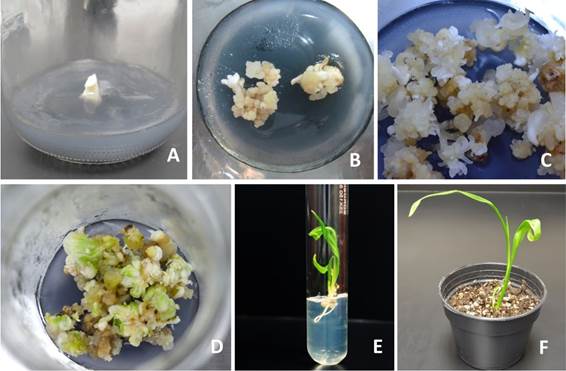
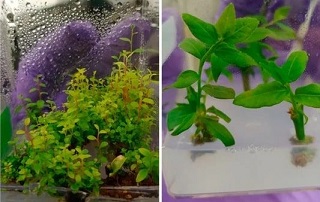
Callus can be stimulated to regenerate shoots and roots, eventually developing into complete plants. This makes it useful in mass propagation of elite or valuable plant varieties.
2. Somatic Embryogenesis
Under specific conditions, callus cells can develop into embryo-like structures known as somatic embryos. These embryos can grow into whole plants and are highly valuable in the large-scale propagation of species that are difficult to produce from seeds.
3. Genetic Transformation
Callus tissue provides an excellent target for introducing foreign genes into plant cells using techniques such as Agrobacterium-mediated transformation or particle bombardment. Regenerated plants can then express improved traits such as:
- Disease resistance
- Drought tolerance
- Better yield
- Herbicide resistance
4. Secondary Metabolite Production
Many medicinal and aromatic plants produce valuable chemical compounds known as secondary metabolites. Callus cultures can be used to produce these compounds under controlled conditions.
For example, compounds like taxol from yew species are important in cancer treatment and chemotherapy. Optimized callus culture systems can increase the production of such high-value compounds for pharmaceutical and industrial use.
Types of Callus
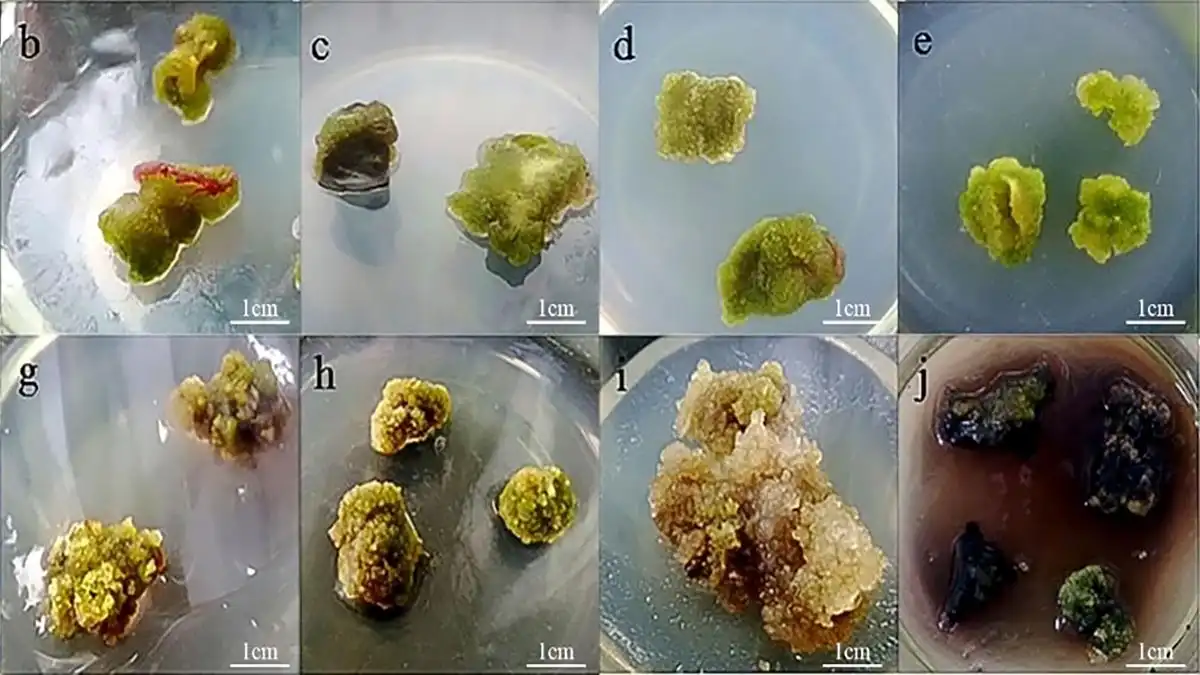
Callus is not always uniform. Depending on the plant species, explant source, and culture conditions, callus can vary in:
- Color
- Texture
- Growth rate
- Regeneration potential
Common types include:
- Compact callus : dense and firm in structure
- Friable callus : soft, crumbly, and easily dispersed
- Embryogenic callus : capable of forming somatic embryos
- Non-embryogenic callus : grows but has low or no regeneration ability
Among these, embryogenic callus is the most valuable for plant regeneration and breeding programs.
Factors Affecting Callus Formation
Successful callus induction depends on several critical factors:
Explant Source
Different tissues respond differently. Young, actively growing tissues usually perform better than mature ones.
Plant Species and Genotype
Some species are naturally easier to induce callus from than others.
Hormone Balance
The concentration and ratio of auxins and cytokinins are key determinants of callus development.
Culture Medium
The composition of the nutrient medium strongly affects growth and differentiation.
Environmental Conditions
Temperature, light, and pH also influence the success of callus induction and maintenance.
Applications of Callus Culture
Callus culture has broad applications in plant research and commercial biotechnology:
- Plant breeding
- Clonal propagation
- Virus-free plant production
- Germplasm conservation
- Genetic engineering
- Phytochemical production
- Stress physiology studies
Because callus tissue can be maintained for long periods in vitro, it is also useful as a renewable source of plant cells for experimental and industrial purposes.
Advantages of Callus Culture
Callus culture offers several important benefits:
- Enables controlled study of plant cell behavior
- Supports plant regeneration from small tissue fragments
- Provides a platform for molecular breeding
- Facilitates production of valuable metabolites
- Helps conserve elite and rare plant germplasm
- Assists in crop improvement programs
Limitations of Callus Culture
Despite its many uses, callus culture also has challenges:
- High risk of contamination
- Genotype-dependent response
- Low regeneration ability in some species
- Possibility of somaclonal variation
- Requirement for technical skill and sterile facilities
These limitations mean that callus culture protocols often need to be optimized for each plant species and even for each cultivar.
Callus Culture in Modern Agriculture and Biotechnology
Today, callus culture remains a key technology in plant biotechnology, tissue culture research, and agricultural innovation. It is especially valuable for:
- Developing improved crop varieties
- Producing disease-free and uniform plants
- Supporting genetic transformation projects
- Increasing the production of bioactive compounds
- Advancing somatic embryogenesis systems
As plant science continues to evolve, callus culture will remain an essential tool for sustainable agriculture, pharmaceutical production, and biotechnology research.
Callus culture is a fundamental technique in plant biotechnology that allows scientists to study, manipulate, and regenerate plant cells under controlled laboratory conditions. Its applications extend far beyond simple tissue growth, supporting micropropagation, somatic embryogenesis, genetic transformation, and secondary metabolite production.
Although not every callus is equally useful, and not every species responds the same way, the technique remains one of the most powerful tools in modern plant science. For researchers, breeders, and biotechnology companies, mastering callus culture can open the door to major advances in crop improvement and commercial plant production.