Genetics Mutations Date Palm
symptoms of genetic mutations in tissue cultured date palm

Genetic Mutations in Tissue-Cultured Date Palms: What are they and What are Their Symptoms?
Detection of Genetic Mutations in Tissue-Cultured Date Palms (Genetic Abnormalities)
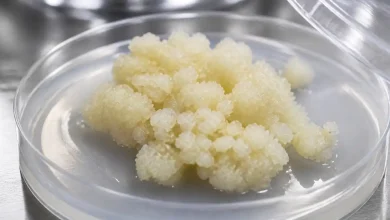
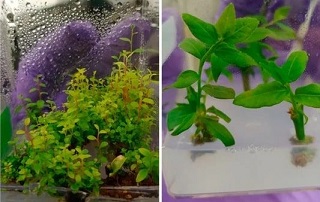
Tissue culture is one of the advanced techniques in plant biotechnology that allows researchers to produce new plants from small tissues and individual cells. The date palm (Phoenix dactylifera), considered one of the most important agricultural crops in arid and semi-arid regions of the world, is propagated and improved through this technique. However, one of the issues that may arise during the tissue culture and propagation of date palms is the occurrence of genetic mutations in the produced plantlets. Adhering to proper production practices and recognizing the symptoms of genetic mutations in tissue-cultured date palms commonly referred to in Iran as date palm genetic abnormalities can significantly reduce the severe damages that may occur.
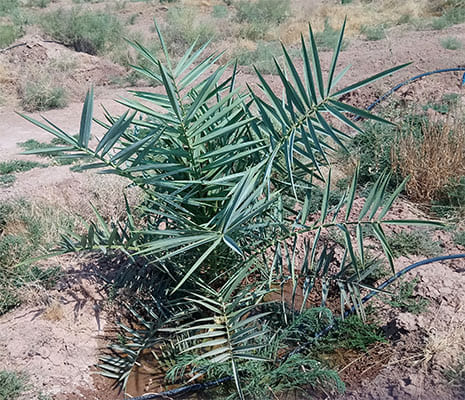
Genetic Mutations in Tissue-Cultured Date Palms
Why do tissue-cultured date palm plantlets undergo genetic mutations?
Genetic mutations in date palms propagated via tissue culture may occur due to several reasons, including:
- Environmental and physical conditions: Factors such as temperature, humidity, and light during the tissue culture process can affect the genetic behavior of plants. Temperature fluctuations or excessive humidity may cause unwanted changes in DNA structure.
- Chemicals and hormones: To multiply and grow cells in tissue culture, specific chemicals and plant growth regulators are used. Some of these substances, such as antibiotics, growth stimulants, and plant growth regulators, may have mutagenic effects and lead to genetic changes. Plant hormones such as 2,4-D can directly cause mutations, while others like NAA and IBA can induce them indirectly.
- Subculturing: Excessive and uncontrolled subcultures are among the main factors leading to genetic abnormalities in date palms and many other tissue-cultured plants.
- Genetic reconstitution from long-term storage: This refers to storing genetic material for long periods and using it for new cultures. Since DNA is constantly replicating and repairing itself, over time and under environmental stresses such as heat and humidity, repeated DNA damage and repair increase the likelihood of mutations.
- Cell culture and transfer processes: When plant cells are transferred to new culture media, they may face different stresses, which can cause genetic instability and DNA mutations.
Symptoms of Mutant Date Palm trees
Date palm plants produced via tissue culture that have undergone genetic mutations may show different symptoms compared to healthy and natural trees. These symptoms include:
- Abnormal growth: Mutant plantlets may grow faster or slower than usual.
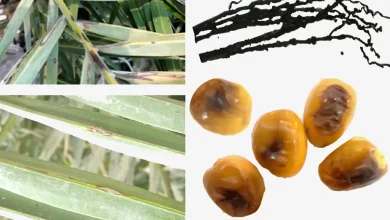
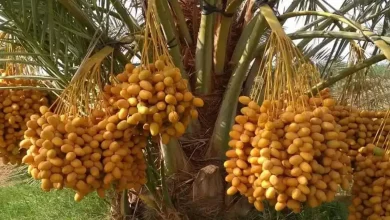
- Morphological changes: Mutations may lead to visible changes such as smaller or larger leaves, unexplained leaf yellowing, or even changes in fruit shape and size.
- Resistance-related symptoms: In some cases, mutations can increase resistance to pests, diseases, or environmental stresses such as drought and cold.
- Reproductive abnormalities: Mutations may affect reproductive systems, leading to altered flowering patterns or problems in producing normal, marketable fruits.

Genetic and Epigenetic Mutations in Date Palms
In plants, including date palms, genetic abnormalities are classified into two main types:
Genetic mutations
These involve changes in DNA sequences, leading to permanent alterations in the genetic traits of the plant. In date palms, this may include nucleotide deletions, insertions, or substitutions, which can result in traits such as dwarfism, deformation, altered growth patterns, and abnormal flowering.
Epigenetic mutations
These refer to changes in gene expression caused by structural modifications in DNA or associated proteins, without altering the DNA sequence itself. Such changes are usually temporary and may result from environmental factors such as temperature, chemicals, or physical stresses. In date palms, these can lead to temporary physiological changes such as altered growth rate or varying tolerance to stress.
Challenges of Genetic Mutations in Tissue-Cultured Date Palms
Genetic mutations in tissue-cultured date palms bring several challenges that can negatively affect production and improvement:
- Genetic instability: One of the biggest challenges is the instability of mutated plantlets. The new traits may not be inherited in subsequent generations, reducing long-term reliability.
- Uncontrolled growth: Some mutations may cause uncontrolled growth or undesirable traits, making the plants unsuitable for natural or commercial cultivation.
- High costs: Mutated date palm plantlets sometimes show abnormalities only years after planting. This imposes heavy financial losses on farmers, as years of investment in cultivation and maintenance may result in non-productive, uneconomical trees.
- Environmental and ethical concerns: The use of genetic mutations in tissue culture raises ecological and ethical concerns, particularly if unintended changes spread to natural ecosystems or harm biodiversity.

Conclusion: Genetic Abnormalities in Tissue-Cultured Date Palms
The occurrence of genetic mutations in tissue-cultured date palm plantlets poses risks and challenges that must be carefully managed. Factors such as production technology, quality of chemicals and laboratory materials, and environmental conditions may induce genetic changes that lead to undesirable traits.