Fish Fertilizer: A Natural, Organic, and Powerful Source of Plant Nutrition
In sustainable agriculture, finding natural and organic sources to nourish plants is especially important. One of the most valuable and nutrient-rich options is fish fertilizer. Not only is it packed with essential plant nutrients, but its bioactive compounds also improve soil health and boost crop productivity.
What is Fish Fertilizer?
Fish fertilizer is made from the remains or byproducts of fish and is used as a natural soil amendment to enhance plant growth and soil quality. It is typically produced from fish parts such as internal organs, bones, heads, skins, and viscera.
Main Components of Fish Fertilizer
Fish fertilizer contains a variety of nutrients, including:
Nitrogen (N): Promotes leaf and stem growth.
Phosphorus (P): Supports root development and flowering.
Potassium (K): Improves plant resistance to stress.
Amino acids and proteins: Strengthen plant defenses and enhance nutrient uptake.
Micronutrients: Iron, magnesium, manganese, zinc, and copper.
Enzymes and natural organic matter: Boost microbial activity in the soil.
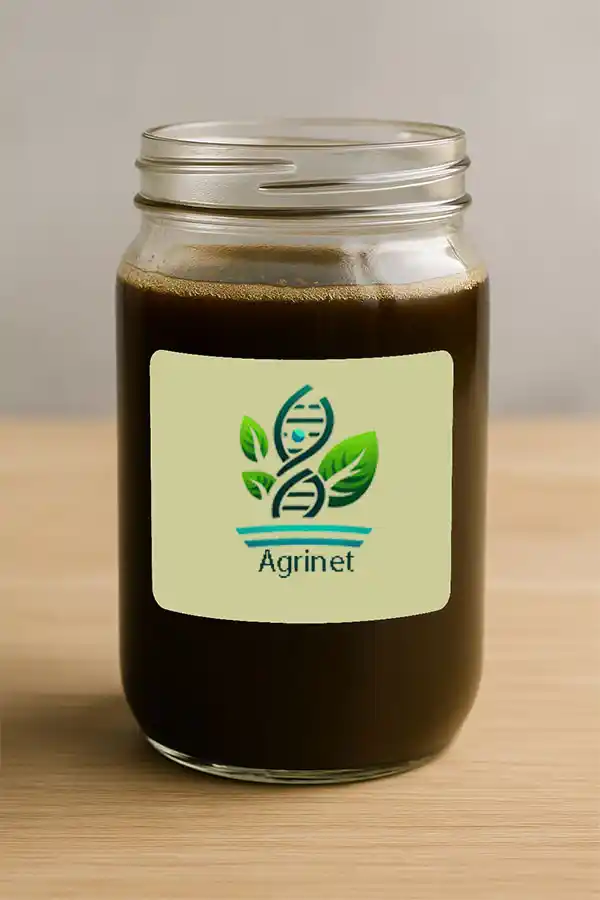
The exact nutrient percentages vary depending on the fish species, production method, fermentation process, and any additives used. Common ranges for liquid fish fertilizer are as follows:
| Nutrient | Approx. % | Role in Plant Growth |
|---|---|---|
| Total Nitrogen (N) | 2–5% | Leaf, stem, and chlorophyll growth |
| Phosphorus (P₂O₅) | 1–3% | Root growth and flowering |
| Potassium (K₂O) | 0.5–2% | Stress resistance, fruit quality |
| Amino acids | 5–15% | Immunity boost, improved nutrient uptake |
| Total Organic Carbon | 10–20% | Improves soil structure, microbial activity |
| Total Organic Matter | 20–40% | Increases soil fertility |
| Micronutrients (Fe, Zn, Mn, Cu) | 0.01–0.1% | Improves metabolism and plant health |
Fish Fertilizer in Organic Farming Certification
Fish fertilizer plays a significant role in helping farmers meet the requirements for organic certification. Since it’s derived from natural fish byproducts without synthetic additives, it aligns well with international organic farming standards. This makes it a valuable input for growers aiming to market their produce as certified organic.
Enhancing Flavor, Aroma, and Color of Fruits and Vegetables
The amino acids, micronutrients, and natural hormones in fish fertilizer don’t just support plant growth — they can also influence crop quality. Studies and farmer experiences show that regular use can lead to sweeter fruits, more aromatic herbs, and vegetables with richer colors and improved shelf life.
Performance in Different Soil Types (Clay, Sandy, and Loam)
Fish fertilizer performs well across various soil textures, but its impact varies:
Clay soils: Improves aeration and microbial activity.
Sandy soils: Enhances water retention and nutrient-holding capacity.
Loamy soils: Maintains optimal fertility and microbial diversity.
Tailoring application rates based on soil type can maximize its benefits.
Impact on Ornamental and Greenhouse Plants
While fish fertilizer is popular in food crop production, it’s equally effective for ornamentals and greenhouse crops. Growers have reported stronger stems, more vibrant leaf colors, increased flower counts, and longer-lasting blooms in potted plants and cut flowers.
Reducing Irrigation Needs
By improving soil structure and organic matter content, fish fertilizer can help soils hold more moisture. This means plants stay hydrated longer between watering cycles, making it especially beneficial in drought-prone or water-restricted areas.
Integration with Regenerative Agriculture Practices
In regenerative agriculture, the goal is to rebuild soil health and restore ecosystem balance. Fish fertilizer fits perfectly into this approach by adding organic matter, encouraging deep root systems, and promoting microbial biodiversity that supports long-term soil regeneration.
Boosting Microbial Biodiversity in Soil
One of the lesser-known advantages of fish fertilizer is its ability to foster a wide range of beneficial microbes. Amino acids and fatty acids provide food for bacteria and fungi, which in turn support nutrient cycling, disease suppression, and healthier plant roots.

Long-Term Soil Fertility Benefits
Unlike quick-release chemical fertilizers, fish fertilizer leaves a lasting positive effect on soil fertility. Over multiple seasons, it builds organic matter, increases cation exchange capacity, and supports a stable soil food web, leading to more resilient cropping systems.
Modern Odor-Reduction Technologies
A common concern with fish fertilizer is its strong smell. However, modern processing methods — such as enzymatic deodorization, microbial odor neutralizers, and seaweed blending — significantly reduce odor without compromising nutrient quality.
Success Stories from Farmers
Farmers around the world have shared success stories after switching to fish fertilizer. These range from increased strawberry yields in coastal farms to better tomato flavor in greenhouse production, proving its versatility and effectiveness across crops and climates.
Incompatible Combinations
Avoid mixing fish fertilizer with:
Alkaline amendments (lime, wood ash, calcium/sodium carbonate) – causes nitrogen loss as ammonia gas.
Chemical phosphates (single/triple superphosphate, DAP) – can cause phosphorus precipitation.
Sulfur-based fertilizers (ammonium sulfate, non-chelated iron sulfate) – may break down amino acids and cause odor issues.
High-chlorine fertilizers (potassium chloride) – harmful to beneficial microbes.
Chemical pesticides/fungicides can kill beneficial organisms or create toxic reactions.
Detergents/insecticidal soaps – degrade proteins and reduce bioactivity.
Important Mixing Tips:
Always do a small-scale compatibility test first.
Mix with cool or lukewarm water and use immediately.
For foliar sprays, ensure no harsh chemicals are present.
Safety and Storage Notes
Odor: Fish fertilizer has a strong smell; best applied outdoors or in the evening.
Storage: Keep sealed, away from heat and sunlight.
Dosage: Overuse can increase ammonia levels and damage roots.
Contact: Avoid direct contact with plant wounds or fruit.
Fish fertilizer is a valuable and effective option for organic and sustainable farming. It not only nourishes plants but also enriches the soil, supports beneficial microbes, and boosts overall farm productivity. When applied properly and in the right form, it can be a great alternative to high-risk chemical fertilizers.